
A sleeve that suddenly feels snug. A shoe that fits differently on one foot. An arm that feels unusually heavy when you reach overhead. Swelling that keeps returning, even after you rest.
These changes can be frustrating, particularly when they interfere with walking, dressing, working or recovering after cancer treatment. They can also leave you wondering: Is this normal swelling? Will it go away? Should I keep exercising?
Lymphedema is one possible explanation for persistent swelling. Understanding its cause — and getting the right assessment — can help you take the next step. Physiotherapy can support movement and daily function, while a therapist with specific lymphedema training can provide targeted swelling management.
What is lymphedema?
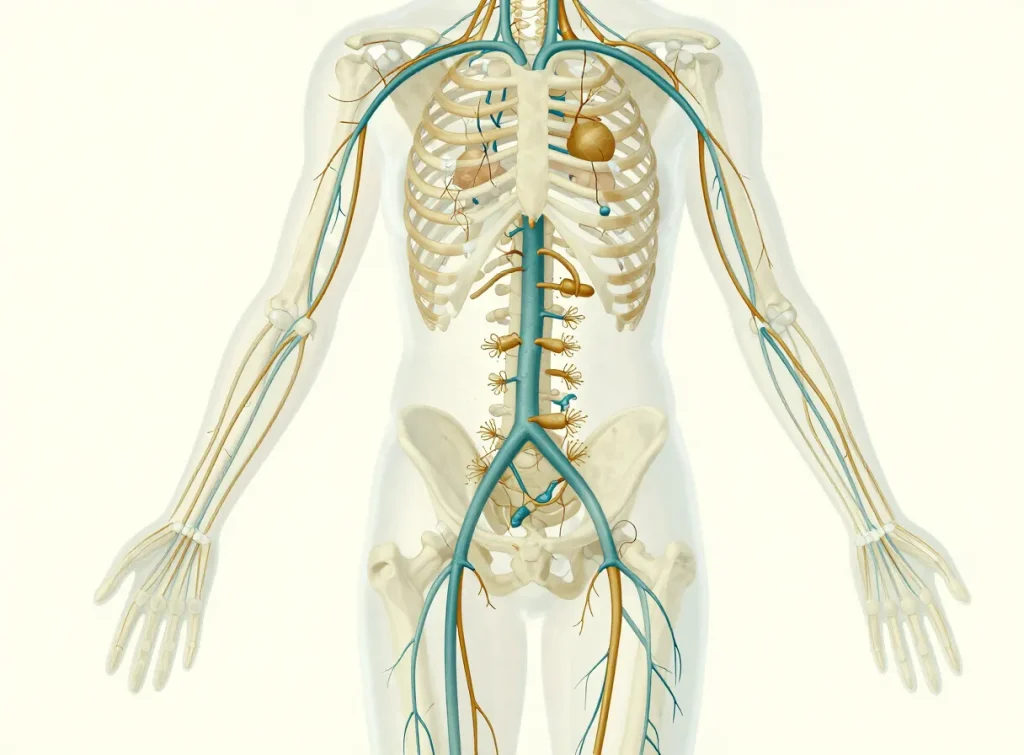
Lymphedema is a long-term condition in which lymph fluid builds up in body tissues because the lymphatic system cannot drain it adequately.
The lymphatic system is a network of vessels and lymph nodes that helps return excess tissue fluid to the bloodstream and supports immune function. When this system is damaged, blocked or develops abnormally, fluid can accumulate.
Lymphedema commonly affects an arm or leg, but it can also involve the breast, chest, abdomen, genitals, face or neck. It may affect one side or both.
Unlike temporary puffiness, established lymphedema generally requires ongoing management. Treatment aims to control swelling, relieve symptoms and preserve function rather than promise a permanent cure.
Common symptoms: more than visible swelling
The main concern is often a swollen arm, leg, hand or foot. However, changes in how an area feels can also be important. Symptoms may include:
- Heaviness, fullness or tightness in the affected area.
- Clothing, rings, watches or shoes fitting more tightly.
- Aching or discomfort.
- Reduced flexibility or difficulty moving a joint.
- Swelling that comes and goes or becomes more noticeable during the day.
- A temporary indentation after pressing the skin.
- Firmer, thicker or less supple skin as the condition progresses.
- Recurrent skin infections.
Not everyone has every symptom. You do not need to wait until swelling is severe to discuss a persistent change with a healthcare professional.
What causes lymphedema?
There are two main types: primary and secondary lymphedema.
Primary lymphedema
Primary lymphedema arises from abnormalities in the development of the lymphatic system. Symptoms can appear at different ages, including childhood or adulthood.
Secondary lymphedema
Secondary lymphedema occurs when another condition or treatment damages the lymphatic system or interferes with drainage.
Cancer-related causes include lymph node removal, radiation-related damage and a tumour obstructing lymph flow. Non-cancer causes can include injury and infection.
After breast cancer treatment, swelling may develop in the arm, hand, breast or chest. Treatment involving lymph nodes in the pelvis or groin may lead to lower-body swelling.
Symptoms may begin soon after cancer treatment or emerge years later. If you have a history of lymph node surgery or radiation, mention it when seeking assessment for new swelling.
Is all arm or leg swelling lymphedema?
No. Swelling is a symptom with several possible causes.
Medication effects, problems with the veins, blood clots, and heart, kidney or liver conditions can also cause fluid accumulation. Temporary swelling after an injury or operation does not automatically mean you have lymphedema.
This distinction matters because treatment depends on the cause. New or unexplained swelling should be medically assessed rather than treated solely with massage or an off-the-shelf compression garment.
When to seek urgent care
Seek urgent medical assessment for sudden swelling, particularly when one limb becomes painful or warm. Swelling with shortness of breath requires emergency care. Redness, heat, tenderness or fever may indicate an infection and also need prompt medical attention.
How physiotherapy helps address lymphedema
Patients usually want more than a smaller measurement around an arm or leg. They want to walk comfortably, use their hand, return to exercise and feel less restricted by their symptoms.
Physiotherapy can help address these practical concerns through assessment, movement rehabilitation, education and monitoring. Specialist lymphedema treatment may also be needed.
A physiotherapist with appropriate lymphedema training can help develop a plan to manage swelling alongside your medical team. Where specialist care is required, general physiotherapy can complement it by addressing weakness, stiffness and limitations in daily activities.
1. Understanding your symptoms and setting a baseline
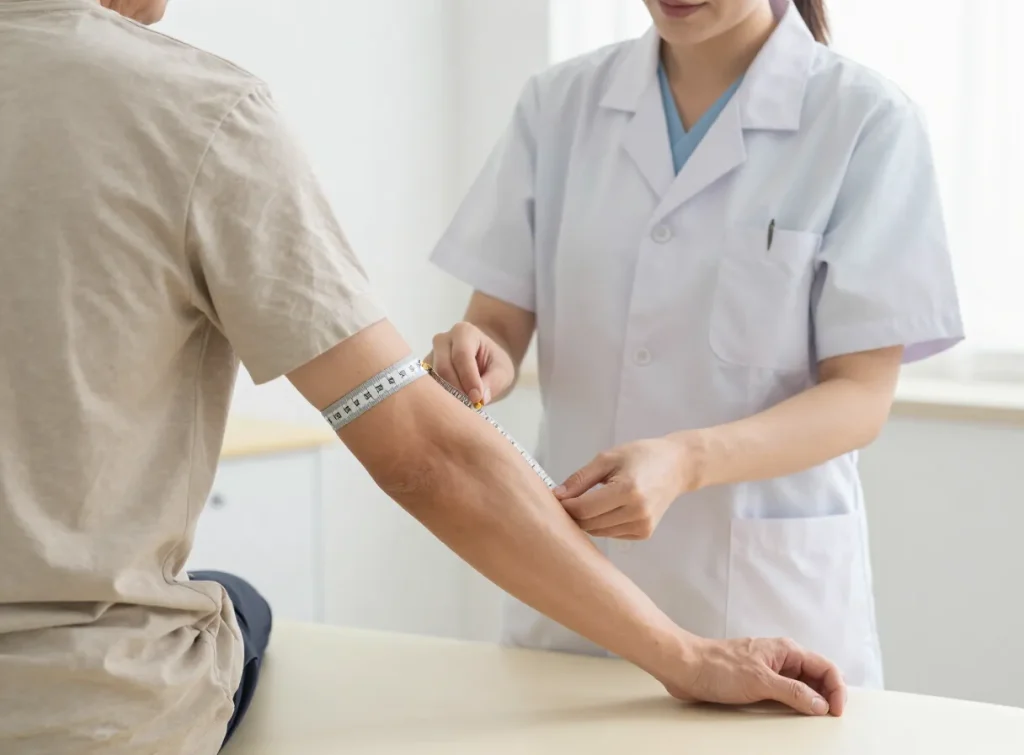
An assessment may include a review of your medical history, symptom pattern, skin condition, limb measurements, joint movement, strength and everyday function.
Your therapist may ask when the swelling started, whether it changes overnight, and which activities feel difficult.
It helps to describe a specific goal: “I want to walk to the grocery store,” or “I want to reach a shelf without my arm feeling so heavy.” These goals make progress meaningful beyond changes in swelling alone.
2. Compression to help control fluid accumulation
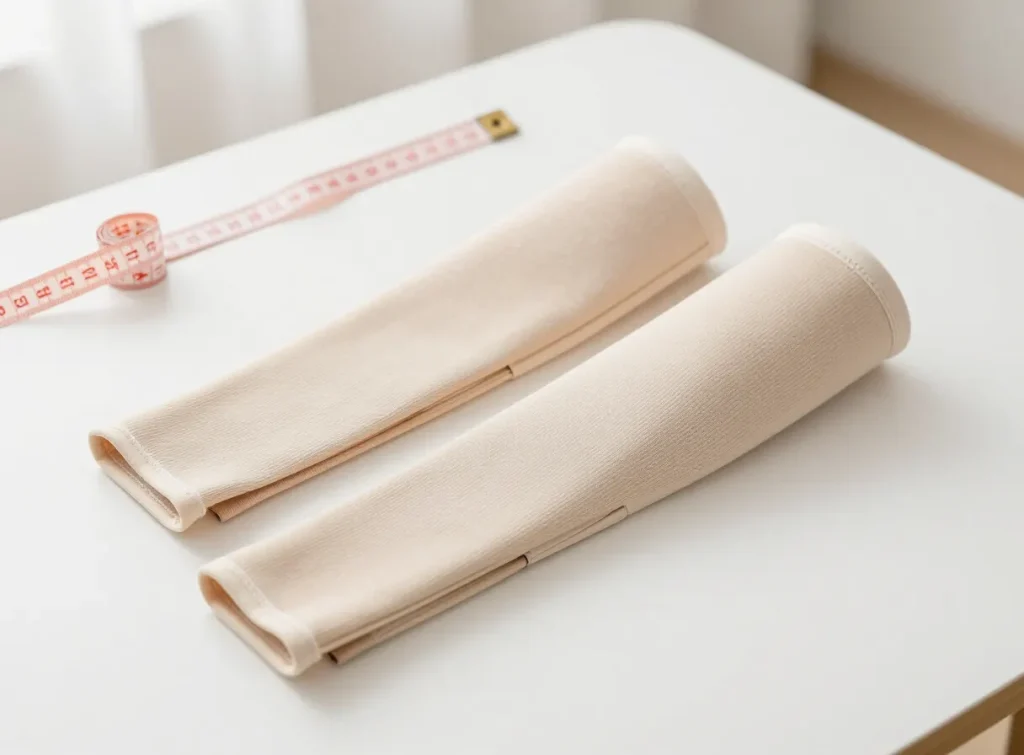
Compression therapy is an important component of lymphedema management. Depending on your needs, it may involve specialist bandaging, adjustable wraps or fitted sleeves and stockings.
Compression helps limit fluid accumulation and supports drainage during movement.
The appropriate garment and pressure depend on the affected area and your health. Compression is not suitable for everyone, including some people with arterial circulation problems.
Professional assessment and fitting matter. A garment should be selected as part of your treatment plan rather than simply chosen because it feels tight.
3. Manual lymphatic drainage when appropriate
Manual lymphatic drainage, or MLD, is a specialised, gentle technique intended to encourage lymph fluid to move towards functioning drainage pathways.
It differs from deep-tissue massage. More pressure is not necessarily more helpful.
A trained therapist determines whether MLD is appropriate and how it should be used. It is commonly combined with other treatments rather than offered as a stand-alone solution.
If self-drainage is recommended, your therapist can teach the correct technique and sequence. Avoid trying to force fluid out with vigorous rubbing or massage tools.
4. Exercise to support movement and confidence
Avoiding movement altogether can make returning to daily activities harder. Appropriately prescribed exercise is an important part of lymphedema care.
Depending on your assessment, a programme may include:
- Joint mobility exercises for areas that feel stiff.
- Gradual strengthening.
- Walking, cycling or another suitable aerobic activity.
- Specific movements for the affected limb.
Research in breast cancer-related lymphedema supports appropriately progressed exercise; it does not mean every patient needs the same routine.
Start at a manageable level and build gradually with guidance. Tell your therapist about new or persistent changes in swelling, heaviness or discomfort so the programme can be reviewed.

5. Skin care to reduce infection risk
Skin care is part of treatment, not an optional extra. Lymphedema can make the affected area more vulnerable to infection.
A care plan may include keeping the skin clean, moisturising regularly, drying carefully between fingers or toes, and protecting against cuts, burns and bites.
Check the affected area for new redness, warmth, tenderness or breaks in the skin. Contact a healthcare professional promptly if you suspect an infection.
Your clinician can also help you choose appropriate skin products and address difficulties with foot or nail care.
6. A practical plan for life between appointments
Long-term management needs to fit your routine. A plan that is too complicated to follow is unlikely to be useful.
Your care team can help you understand when to wear prescribed compression, how to incorporate movement, what changes to monitor and when to request reassessment.
Bring up practical barriers. For example, difficulty putting on a stocking or uncertainty about exercising at work deserves attention. These details influence whether a treatment plan works in everyday life.
What is complete decongestive therapy?
Complete decongestive therapy, also called decongestive lymphatic therapy, combines several approaches: compression, exercise, skin care and specialised lymphatic drainage when appropriate.
Some patients need an initial treatment phase focused on reducing swelling, followed by a maintenance phase to preserve improvement.
Treatment intensity varies. Your needs depend on the extent of swelling, tissue changes, medical history and ability to manage care at home.
The aim is to give you both appropriate treatment and the skills to maintain progress.
Can lymphedema be prevented?
There is no guaranteed way to prevent lymphedema. Developing it does not mean you did something wrong.
If you are at risk after cancer treatment, your healthcare team can explain the signs to watch for and discuss risk reduction. Early reporting of heaviness, tightness or swelling allows timely assessment.
Skin protection, suitable physical activity and an individual monitoring plan may form part of your care. Early support is worthwhile even when the immediate concern is uncertainty rather than visible swelling.
Frequently asked questions
- Will elevating my arm or leg help?
- Elevation may reduce swelling in earlier stages, but it may be less effective as tissue changes develop. It does not replace an assessment or a comprehensive management plan.
- Can physiotherapy cure lymphedema?
- Physiotherapy can help manage symptoms and improve function. Established lymphedema is generally chronic, so treatment focuses on control and ongoing care.
- Do I need a specially trained therapist?
- For treatments such as manual lymphatic drainage and specialist compression bandaging, seek a clinician with specific lymphedema training. Ask about their experience treating your type of swelling.
- How many appointments will I need?
- There is no single schedule that suits everyone. The treatment plan should reflect your symptoms, goals, response to care and need for specialist management.
Take the next step for persistent swelling
If an arm or leg feels persistently swollen, heavy or tight, start by finding out why. You deserve a clear explanation and a plan built around the activities that matter to you.
For readers in Mississauga, contact Village Physiotherapy to discuss your symptoms and ask about appropriate assessment, rehabilitation options and whether specialist lymphedema care is needed.
Questions about swelling?
Call us or request an appointment online. We can help you take the right first step.
A note on this article
This article is for general information and is not a substitute for individual medical advice. It does not claim that Village Physiotherapy offers manual lymphatic drainage, specialist compression bandaging, complete decongestive therapy or certified lymphedema therapists. Please contact the clinic to confirm which services and practitioner qualifications are currently available before booking.
Sources & further reading
- National Cancer Institute — Lymphedema
- NHS — Lymphoedema overview
- NHS — Lymphoedema diagnosis
- NHS — Lymphoedema treatment
- NHS — Lymphoedema prevention
- APTA ChoosePT — Physical Therapy Guide to Lymphedema
- American Cancer Society — Lymphedema
- Cancer Research UK — Exercise and lymphoedema
- Macmillan — Skin care for lymphoedema
- Macmillan — Lymphatic drainage
- National Cancer Institute — Other causes of swelling (edema)