
Desk work and neck pain
Small changes to screen height, chair depth and break frequency often matter more than a perfect posture. Try a two-minute movement break every 45 minutes and note what changes.
Resources
Featured article · Lymphedema
Persistent swelling after cancer treatment or injury can be confusing. Learn what lymphedema is, the warning signs that need urgent care, and how physiotherapy and specialist management can help.

Featured article · Understanding pain
Does more pain always mean more damage? Can a normal scan still mean real pain? Learn why pain does not always reflect tissue damage, how stress and scans fit in, and how physiotherapy can support a practical recovery plan.

Featured article · Osteoarthritis
Stiff, aching knees, hips or hands? Learn what osteoarthritis is, the joints it affects, how it is assessed, and how exercise and physiotherapy can help you stay active and manage symptoms.
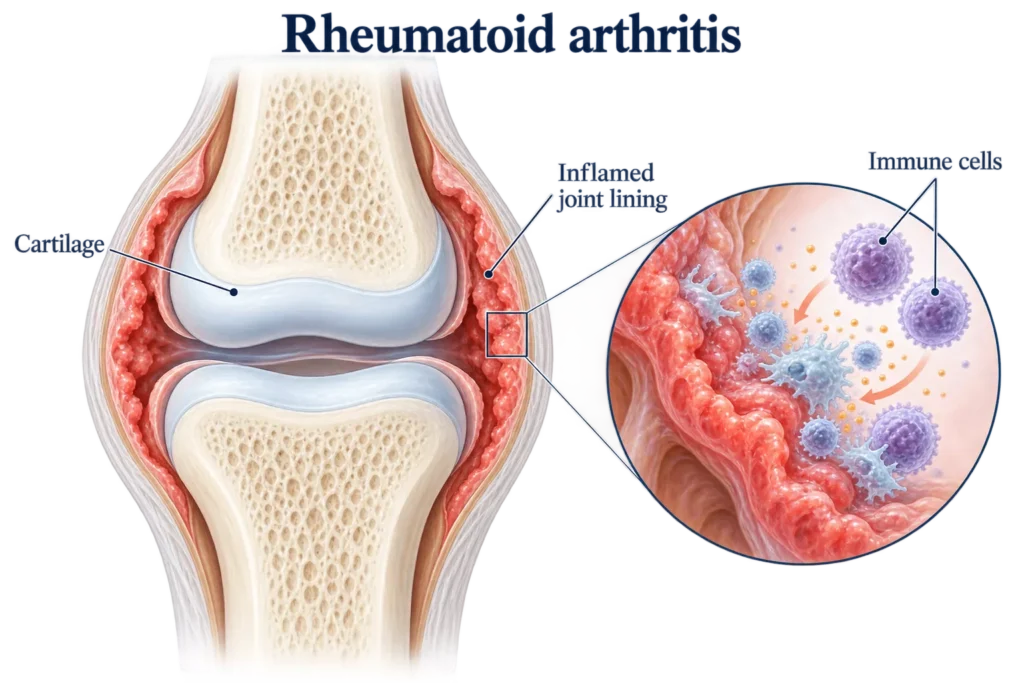
Featured article · Rheumatoid arthritis
Stiff, swollen joints or lasting morning stiffness? Learn what rheumatoid arthritis is, why early medical assessment matters, how it is diagnosed and treated, and how physiotherapy can support movement alongside your medical care.
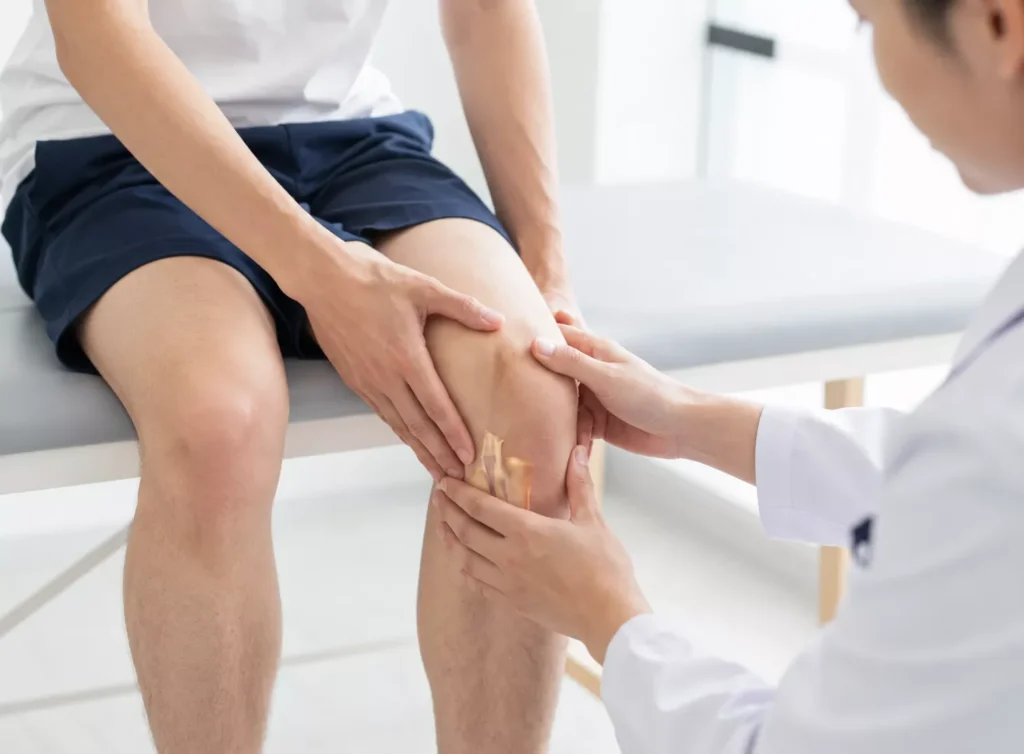
Featured article · Knee pain
Front-of-knee pain on stairs, squatting or running? Learn what patellofemoral pain syndrome is, what contributes to it, and how activity adjustments, progressive strengthening and physiotherapy can help you return to movement.

Featured article · Shoulder pain
Shoulder pain when reaching, lifting or sleeping? Learn about rotator cuff pain, tears, frozen shoulder, arthritis, instability and labral injuries, and how physiotherapy can help you move toward more comfortable movement.
Small changes to screen height, chair depth and break frequency often matter more than a perfect posture. Try a two-minute movement break every 45 minutes and note what changes.
Ice can help settle a fresh, irritable injury; heat often suits stiff, chronic tightness. Neither replaces movement — use them to make movement more comfortable.
Progress by time before speed, and increase weekly volume gradually. Mild next-day stiffness that settles within 24 hours is usually acceptable.
Follow your surgeon’s restrictions first. Within those limits, early guided movement may help maintain range and reduce deconditioning.
There is no single best position. Support your natural curves — a pillow under the knees on your back, or between the knees on your side.
Hydrate, mention any medication changes, and be specific about pressure. Pair sessions with the stretches your therapist gives you.
Browse our full list of frequently asked questions about treatments, booking, direct billing, preparing for your visit and getting to the clinic.
Questions about your own recovery?