
A knee that aches when you climb the stairs. A hip that feels stiff first thing in the morning. Fingers that take a few minutes to “warm up” before they move easily.
These are common experiences, especially as the years go by. For many people, they are the first signs of osteoarthritis — the most common form of arthritis. Hearing the word “arthritis” can feel worrying, but understanding what is actually happening in the joint can make the path forward much clearer.
This article explains what osteoarthritis is, which joints it tends to affect, how it is assessed, and how activity, exercise and physiotherapy can help you manage symptoms and stay active. It does not diagnose any condition or promise a cure.
What is osteoarthritis?
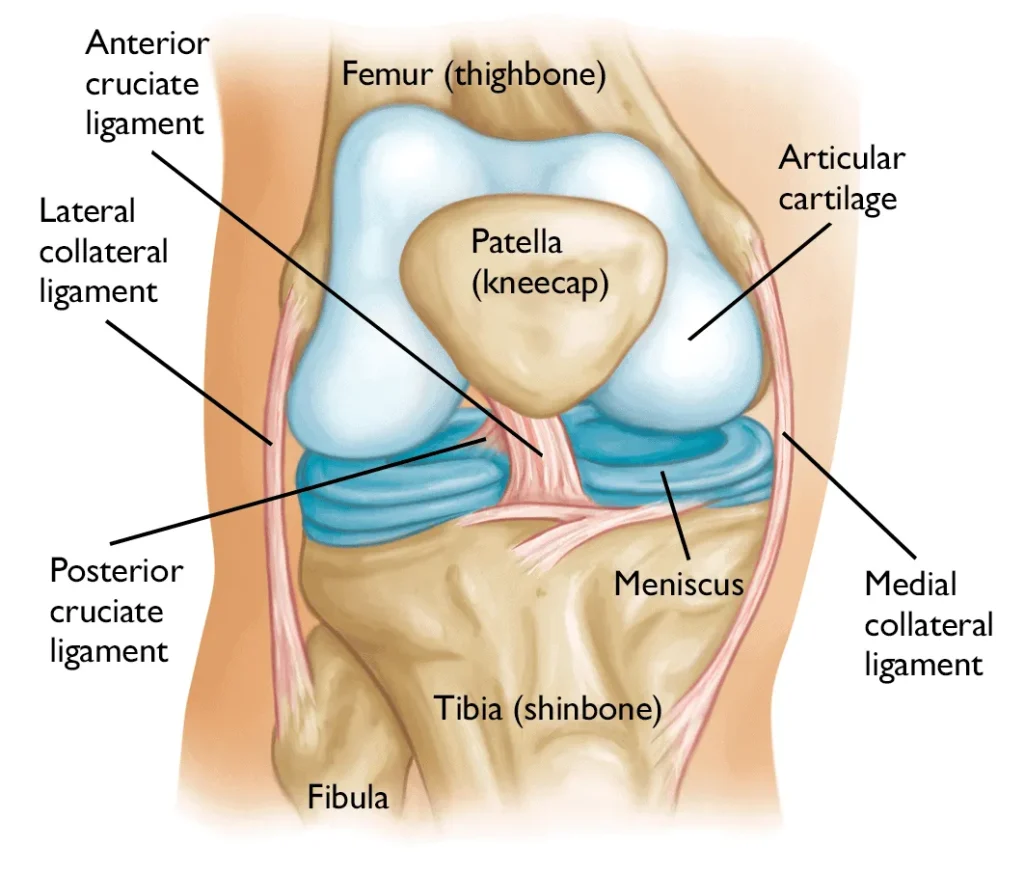
Osteoarthritis is a condition that affects the whole joint. Over time, the protective cartilage that covers the ends of bones can thin and become rough, and the tissues around the joint — including bone, ligaments and the synovial lining — may also change.
It is sometimes described as “wear and tear,” but that phrase can be misleading. Osteoarthritis is not simply the result of a joint wearing out like an old tyre. It involves a complex process of tissue change and repair, and it affects different people very differently.
Osteoarthritis is very common. It becomes more likely with age, but it is not an inevitable part of getting older, and many people with changes on an X-ray have no pain at all. A diagnosis does not mean your joints are destined to fail.
Which joints are most often affected?
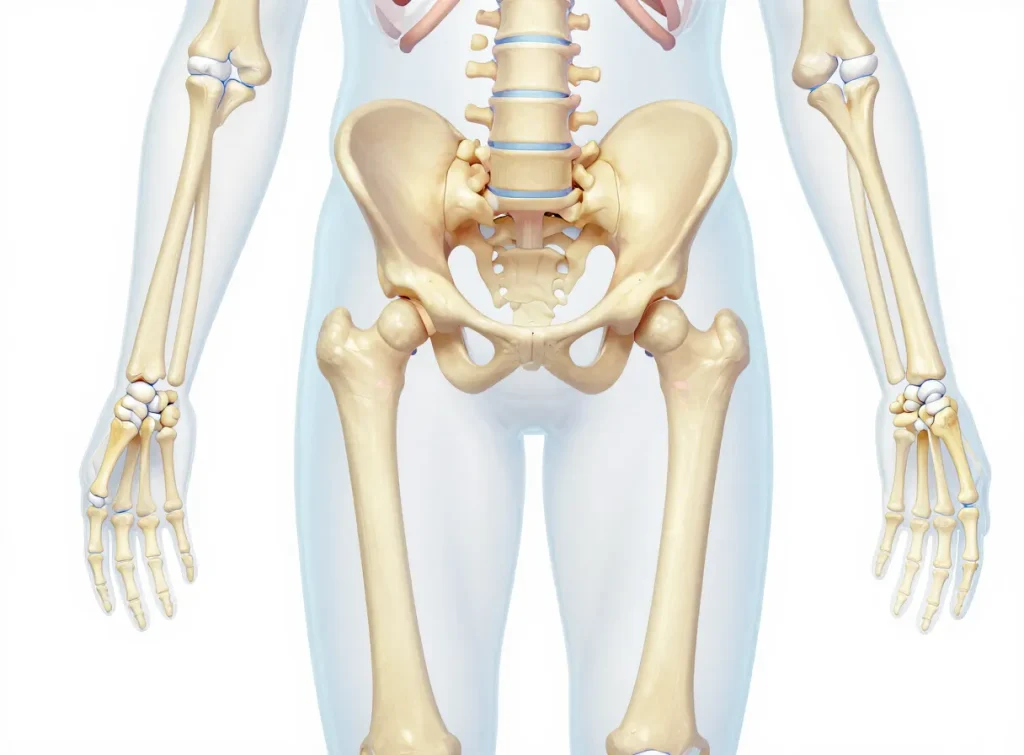
Osteoarthritis can occur in any joint, but it most commonly affects the joints that bear the most load and use over a lifetime:
- The knees — often felt as pain when climbing or descending stairs, or after sitting for a while.
- The hips — felt in the groin, outer thigh, or sometimes radiating towards the knee.
- The small joints of the hands — especially at the base of the thumb and the joints nearest the fingertips.
- The spine — particularly in the neck and lower back.
- Less often, the shoulders, ankles and the joint at the base of the big toe.
Osteoarthritis may affect a single joint or several, and the pattern varies from person to person.
Common symptoms
Symptoms tend to come on gradually and can fluctuate from day to day. They may include:
- Joint pain that worsens with activity and eases with rest.
- Stiffness, especially in the morning or after sitting still, which usually settles within about 30 minutes.
- Reduced range of movement — a joint that will not bend or straighten as far as it once did.
- A grating, clicking or crackling sensation when the joint moves.
- Swelling or a feeling of fullness around the joint.
- Tenderness when the joint is touched.
- A sense that the joint is unstable or “gives way”.
Symptoms can be influenced by weather, activity levels, sleep and stress, and they often change over time rather than steadily worsening.
What causes osteoarthritis?
There is no single cause. Osteoarthritis develops from a combination of factors that place stress on a joint or affect how it repairs itself. These can include:
- Increasing age — the likelihood rises as joints accumulate a lifetime of use.
- Previous joint injury — for example a meniscus or ligament tear, or a fracture near a joint.
- Joint abnormalities present from birth or that developed over time.
- Being overweight — added load increases stress on weight-bearing joints.
- Family history — genetics can play a role in who develops it and where.
- Repetitive loading from certain occupations or sports.
- Being female, particularly after the menopause.
Having a risk factor does not mean you will definitely develop osteoarthritis, and many people with several risk factors never have significant symptoms.
Is all joint pain osteoarthritis?
No. Joint pain has many possible causes, including inflammatory types of arthritis (such as rheumatoid arthritis), gout, tendon problems, bursitis and referred pain from elsewhere.
This matters because the right treatment depends on the correct cause. New, rapidly worsening or unusual joint symptoms should be assessed by a healthcare professional rather than assumed to be osteoarthritis.
When to seek urgent care
Seek prompt medical assessment if a joint suddenly becomes hot, red, very swollen and painful, or if you develop a fever. These can be signs of infection or a different type of arthritis. Also seek urgent care for joint pain following a significant fall or injury, or for sudden severe pain with inability to bear weight.
How is osteoarthritis assessed?
A healthcare professional can usually assess osteoarthritis based on your symptoms, a physical examination and your history. Imaging such as an X-ray may be used to support the assessment, but it is not always needed.
Importantly, the amount of change seen on an X-ray does not reliably match how much pain someone feels. Many people with marked X-ray changes have little pain, and vice versa. Treatment decisions are based on your symptoms and function, not on the scan alone.
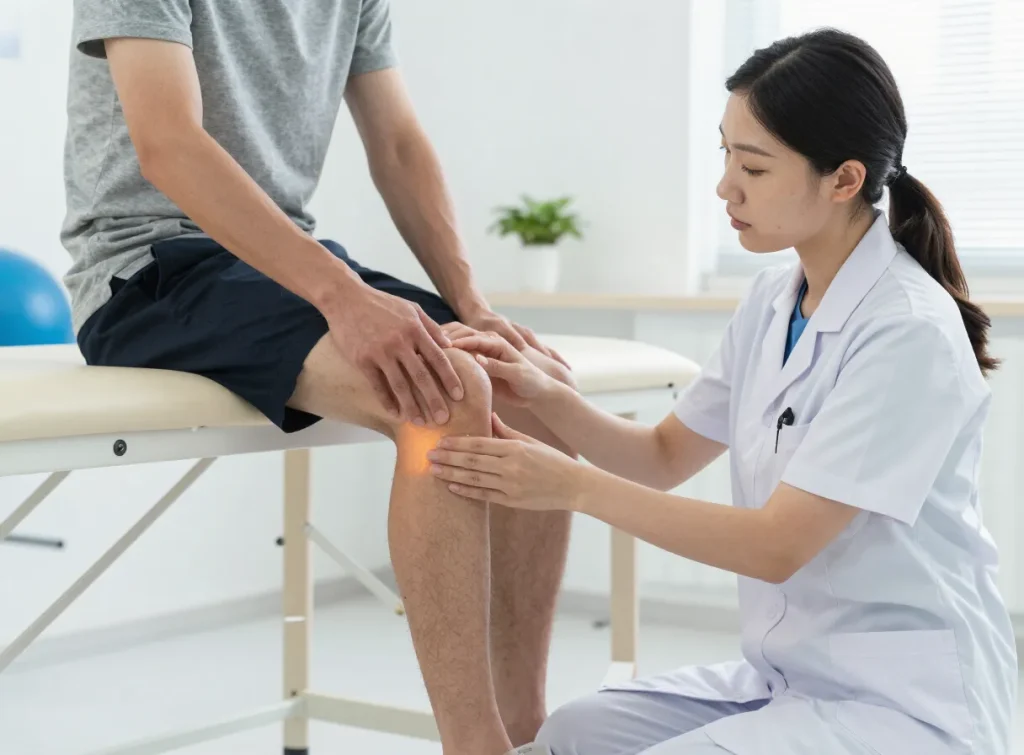
During a physiotherapy assessment, your physiotherapist may:
- Ask about your symptoms, their onset and what makes them better or worse.
- Examine the affected joint's movement, strength, swelling and tenderness.
- Watch how you move — walking, standing up, reaching or bending.
- Discuss the activities that matter most to you and what you would like to regain.
- Explain the findings and agree on a plan suited to your goals.
Setting a specific, personal goal — “I want to walk to the park with my grandchild,” or “I want to garden without my knee aching” — gives the plan a meaningful direction beyond the joint itself.
How physiotherapy can help
Exercise and physical activity are among the most strongly recommended treatments for osteoarthritis. Physiotherapy helps you use them safely and effectively.
A physiotherapist can guide you through a programme tailored to your joints, your current ability and your goals — and adjust it as you progress.
1. Strengthening the muscles around the joint
Strong muscles help support and protect an arthritic joint, absorbing some of the load that the cartilage would otherwise take. For knee osteoarthritis, strengthening the thigh (quadriceps and hamstrings) muscles is a central part of care.
Your physiotherapist can show you exercises that are appropriate for your current level, progressing them gradually as your confidence and strength build.
2. Improving joint mobility and flexibility
Gentle mobility exercises can help a stiff joint move more freely. Moving a joint through its comfortable range regularly also helps keep the cartilage nourished, because cartilage relies on movement to draw in nutrients from the synovial fluid.
3. Advice on activity and pacing
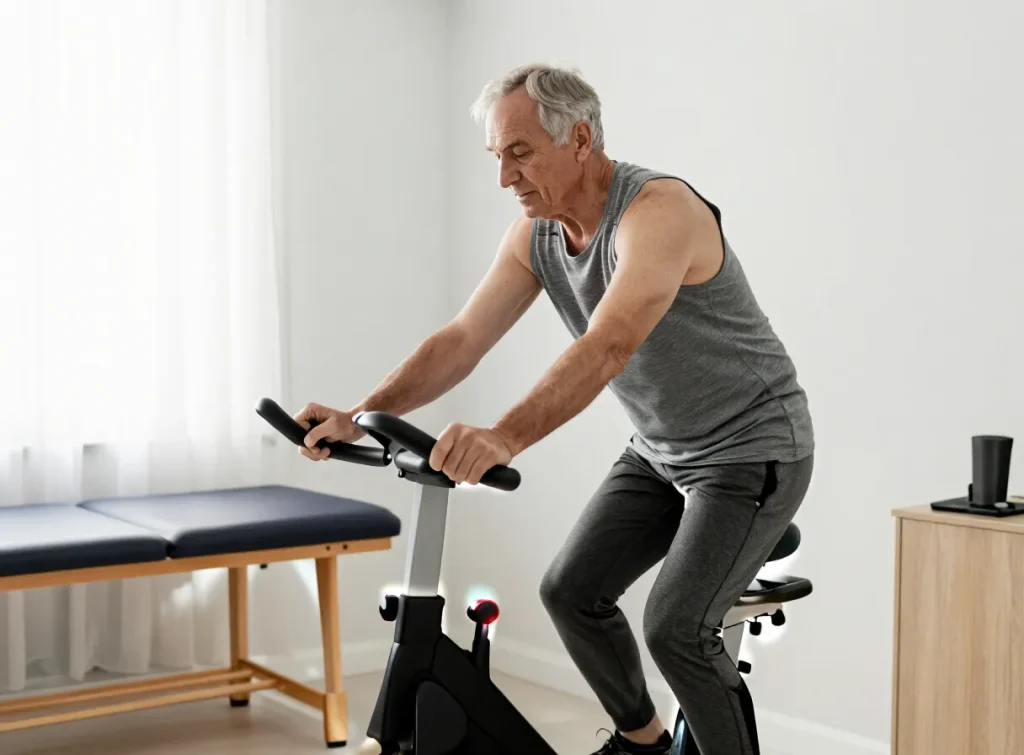
Many people with osteoarthritis worry that using a painful joint will make it worse. In most cases, the opposite is true — appropriate movement helps, while avoiding activity can lead to stiffness and weakness that make symptoms worse.
The key is finding the right balance. Your physiotherapist can help you pace activity — breaking longer tasks into manageable parts, alternating demanding and gentler activities, and recognising the difference between acceptable effort and pain that signals you have done too much.
4. Hands-on treatment and pain relief
Manual therapy, joint mobilization and soft tissue techniques may be used alongside exercise to help reduce pain and improve movement. These are generally most helpful when combined with an active exercise programme rather than used on their own.
Your physiotherapist may also discuss the use of heat or ice, and guidance on when over-the-counter pain relief might fit into your overall plan — though decisions about medication are best made with your doctor or pharmacist.
5. Weight management and overall health
For weight-bearing joints such as the knees and hips, carrying less weight reduces the load on the joint with every step. Even a modest reduction in weight can make a meaningful difference to symptoms.
General physical activity also supports heart health, sleep and mood — all of which influence how you experience pain. Physiotherapy can help you find activities you can sustain, even with sore joints.
Practical self-management
Day-to-day habits make a real difference to living well with osteoarthritis. Consider:
- Keeping moving — aim for regular, low-impact activity most days.
- Pacing yourself — spread demanding tasks through the day rather than doing them all at once.
- Staying strong — keep up the exercises your physiotherapist recommends, even when you feel well.
- Protecting your joints — use larger joints for lifting where possible, and consider aids such as a walking pole on rough ground.
- Managing flare-ups — a temporary increase in pain does not necessarily mean the joint is deteriorating. Gentle movement, heat or ice and a short period of relative rest often help.
- Looking after your general health — sleep, stress and mood all influence pain.

Other treatments
Physiotherapy and exercise are first-line management, but other options exist and may be used alongside or instead, depending on your needs:
- Pain-relieving medication, prescribed or advised by your doctor or pharmacist.
- Injections, such as corticosteroid injections, for short-term relief of a flare-up in some cases.
- Weight management support.
- Use of walking aids or joint supports when appropriate.
- Joint replacement surgery for a small minority of people whose symptoms are severe and have not responded to other measures.
Decisions about medication, injections or surgery are made with your doctor or an orthopaedic specialist. Physiotherapy can complement these treatments and often plays an important role both before and after any procedure.
Frequently asked questions
- Does cracking my knuckles cause osteoarthritis?
- Research has not shown a link between knuckle cracking and osteoarthritis. The “crack” is gas moving within the joint fluid and is generally harmless.
- Should I rest a painful osteoarthritic joint?
- Short rests during a flare-up can help, but prolonged rest tends to increase stiffness and weakness. Gentle, regular movement is usually better than complete rest.
- Will I eventually need surgery?
- Most people with osteoarthritis do not need joint replacement surgery. Many manage well for years with exercise, activity modification and supportive care.
- Is exercise safe if my joint is already worn?
- Yes. Appropriate, progressive exercise is one of the most recommended treatments for osteoarthritis. A physiotherapist can tailor it to your joints and ability.
- Can physiotherapy cure osteoarthritis?
- Physiotherapy cannot reverse the structural changes of osteoarthritis, but it can significantly reduce pain, improve function and help you stay active.
Take the next step for stiff, aching joints
If a joint is limiting the activities you enjoy, an assessment can help you understand what is happening and what may help. You do not have to wait until the pain is severe.
For readers in Mississauga, contact Village Physiotherapy to discuss your symptoms and ask about assessment, exercise-based rehabilitation and a practical plan to keep you moving.
Questions about your joints?
Call us or request an appointment online. We can help you take the right first step.
A note on this article
This article is for general information and is not a substitute for individual medical advice. It does not diagnose any condition and makes no guarantee of pain relief or cure. Individual symptoms require assessment, and treatment recommendations depend on your health history and examination findings. Please contact the clinic to confirm which services and practitioner qualifications are currently available before booking.
Sources & further reading
- Versus Arthritis — Osteoarthritis
- NHS — Osteoarthritis overview
- NHS — Osteoarthritis symptoms
- NHS — Osteoarthritis causes
- NHS — Osteoarthritis diagnosis
- NHS — Osteoarthritis treatment
- NICE — Osteoarthritis (NG226) recommendations
- NICE — Osteoarthritis in over 16s: summary
- American College of Rheumatology — Osteoarthritis
- Arthritis Society Canada — Osteoarthritis
- APTA ChoosePT — Physical Therapy Guide to Osteoarthritis