
Does the front of your knee hurt when you climb stairs, squat or run? Do you feel an ache around your kneecap after sitting through a movie or a long drive?
These symptoms can make everyday movement frustrating. You may begin avoiding exercise or wondering whether bending your knee is causing damage.
One possible explanation is patellofemoral pain syndrome, also called patellofemoral pain or “runner’s knee.” Despite the nickname, it can affect people who do not run. Understanding your symptoms and finding an appropriate starting point for rehabilitation can help you move with more confidence.
This article explains what patellofemoral pain syndrome is, what can contribute to it, how it is assessed, and how activity adjustments, progressive strengthening and physiotherapy can help. It does not diagnose any condition or promise a cure.
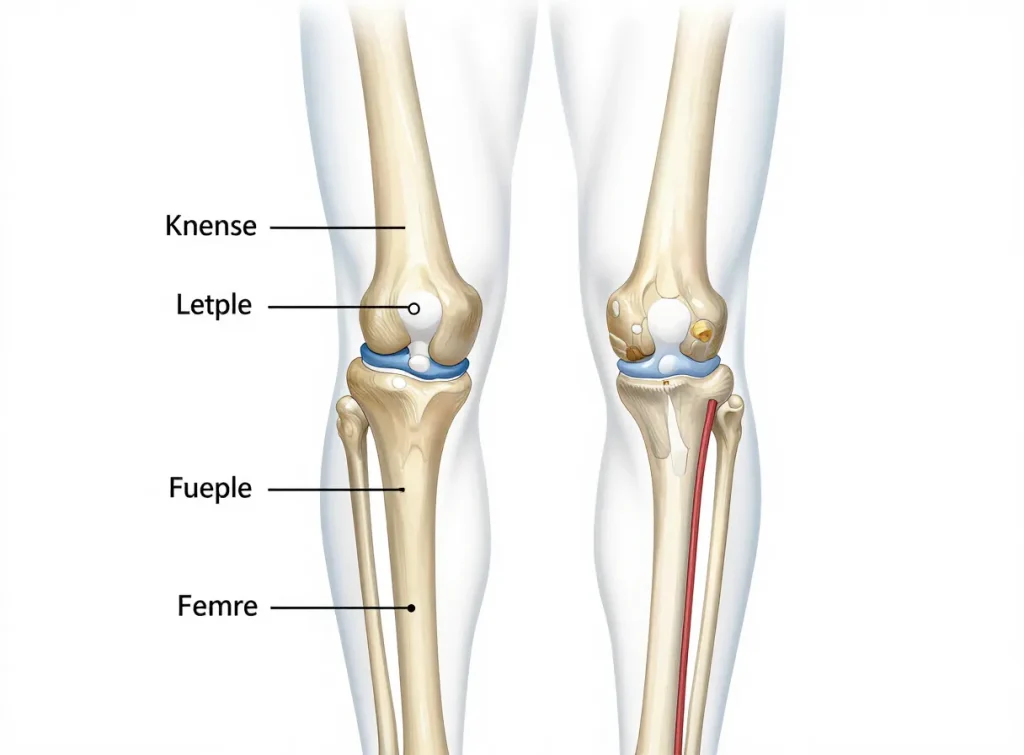
What is patellofemoral pain syndrome?
Patellofemoral pain describes pain around or behind the kneecap. The term refers to the region where the patella, or kneecap, meets the femur, or thigh bone.
Symptoms often develop gradually and become noticeable during activities that load the knee while it is bent. The condition can affect one or both knees and occurs in athletes and non-athletes alike.
A diagnosis helps guide treatment, but your rehabilitation should also address the specific activities that have become difficult.
Common symptoms
People with patellofemoral pain may notice:
- An ache around or behind the kneecap.
- Pain when climbing or descending stairs.
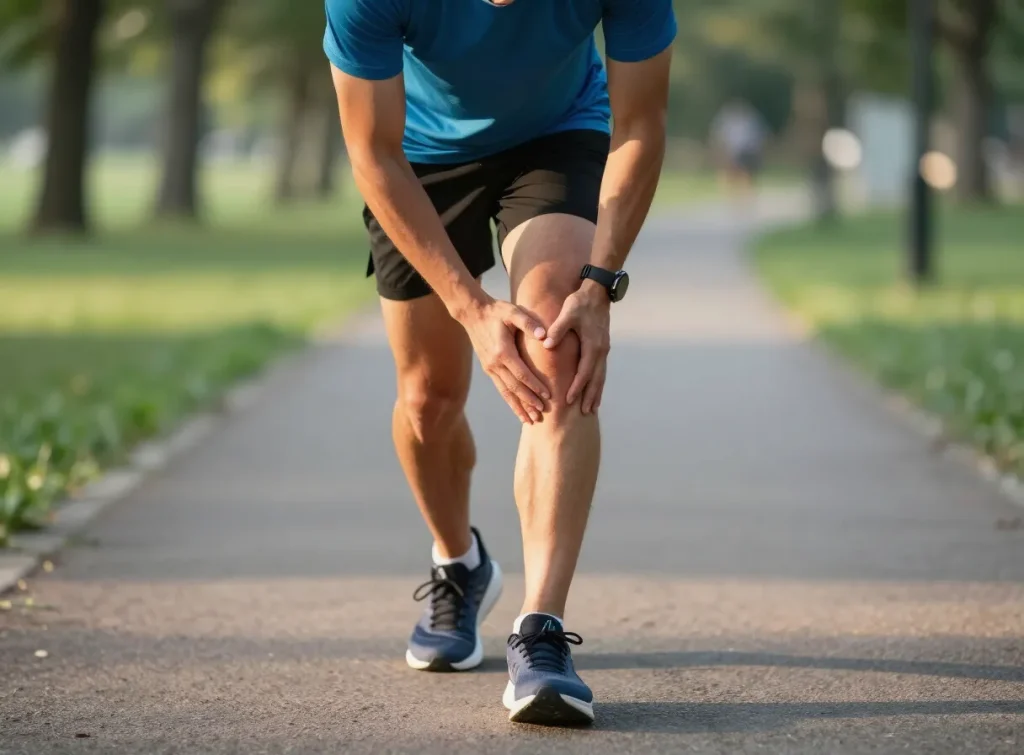
- Discomfort with squatting, running or jumping.
- Pain after prolonged sitting with the knee bent.
- Difficulty returning to a previous level of activity.
These symptoms are consistent with patellofemoral pain, but other knee conditions can cause similar difficulties. An assessment helps clarify the explanation.
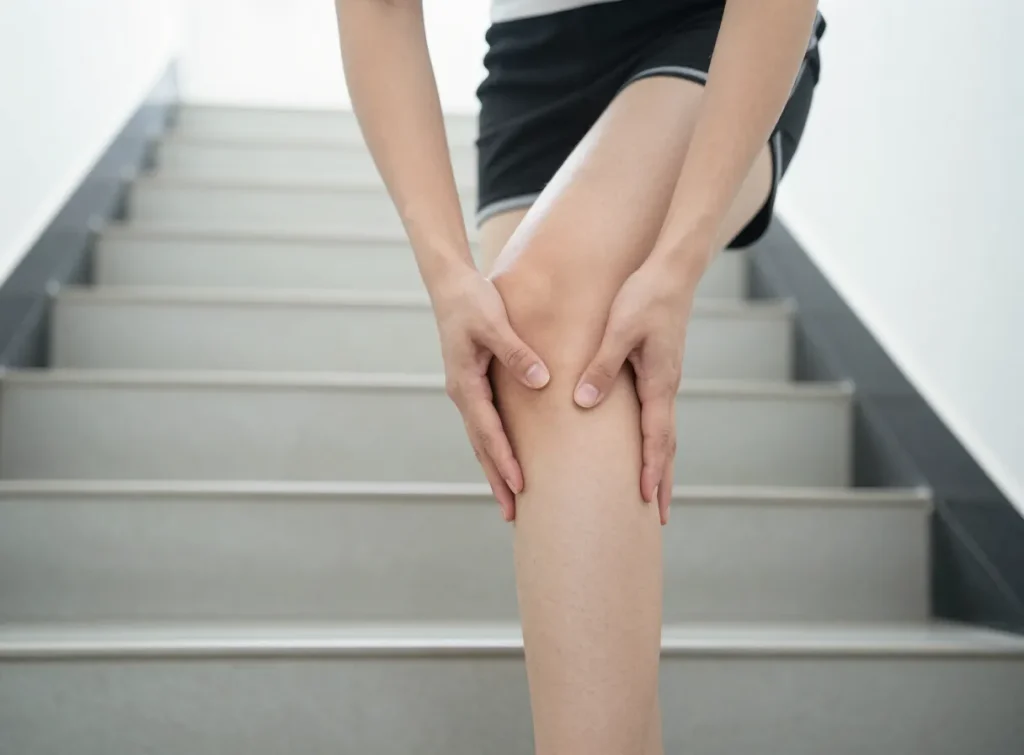
What can contribute to the pain?
There is rarely a useful single explanation that applies to everyone. A recent change in activity is one factor to explore. You may have increased running distance, added more exercise sessions or returned to demanding activity after a break.
An assessment also considers strength, movement and the way symptoms respond to different tasks. These findings help select treatment; they should not automatically be interpreted as proof that your body is “out of alignment.”
The 2024 best practice guide recommends understanding the person’s symptoms, history, physical findings and reasons for seeking care before choosing interventions.
For example, someone training for a race may need help adjusting their running programme. Someone whose main difficulty is stairs may need a plan focused on that task.
How is patellofemoral pain assessed?
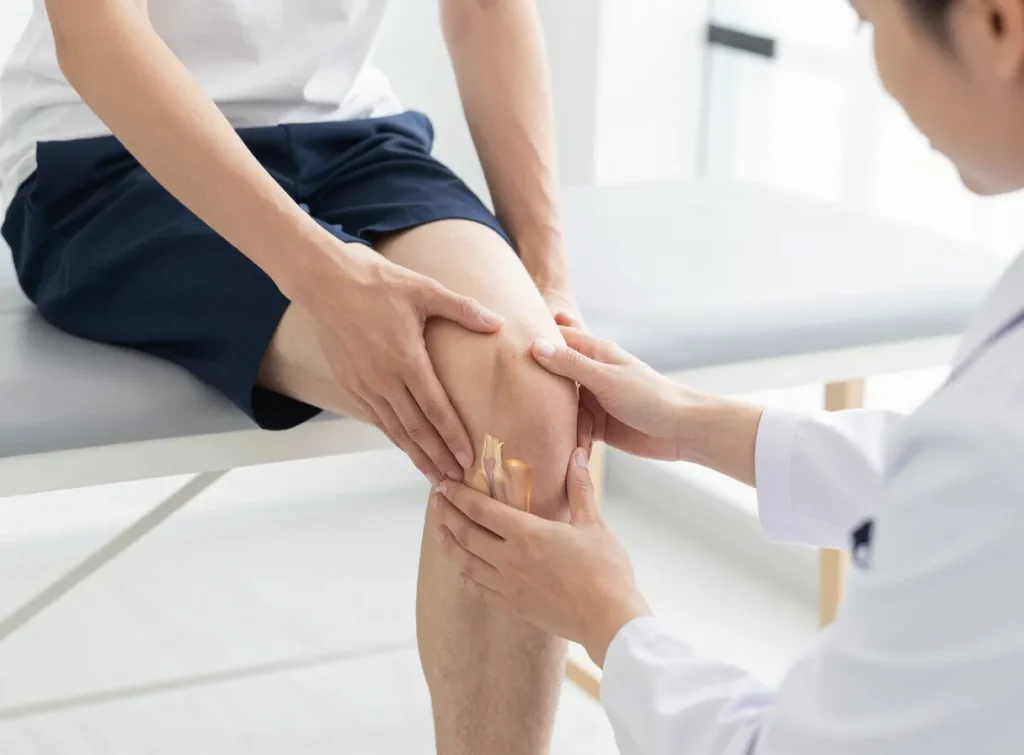
Your physiotherapist will ask where the pain occurs, when it began and what makes it better or worse. It helps to describe a specific example: “My knee hurts halfway through a walk,” or “Going downstairs is harder than going up.”
The examination may include movements that reproduce your concern, along with checks of strength, mobility and function. If symptoms suggest another condition, your physiotherapist can recommend medical assessment.
Your goals also matter. Returning to recreational running requires a different progression from comfortably managing daily stairs.
How physiotherapy can help
Current best practice places exercise therapy and education at the centre of treatment. Additional interventions are selected according to individual needs.
1. Understanding and adjusting activity
Your plan should explain how to manage the activities that aggravate your symptoms. Possible adjustments might include shorter exercise sessions, a smaller squat range or fewer demanding sessions close together. The right change depends on your response.
For a runner, the conversation might explore distance, pace, hills and recovery days. For someone who exercises at a gym, it may focus on exercise selection and resistance. These are examples to discuss with your clinician rather than rules for everyone.
2. Building strength progressively
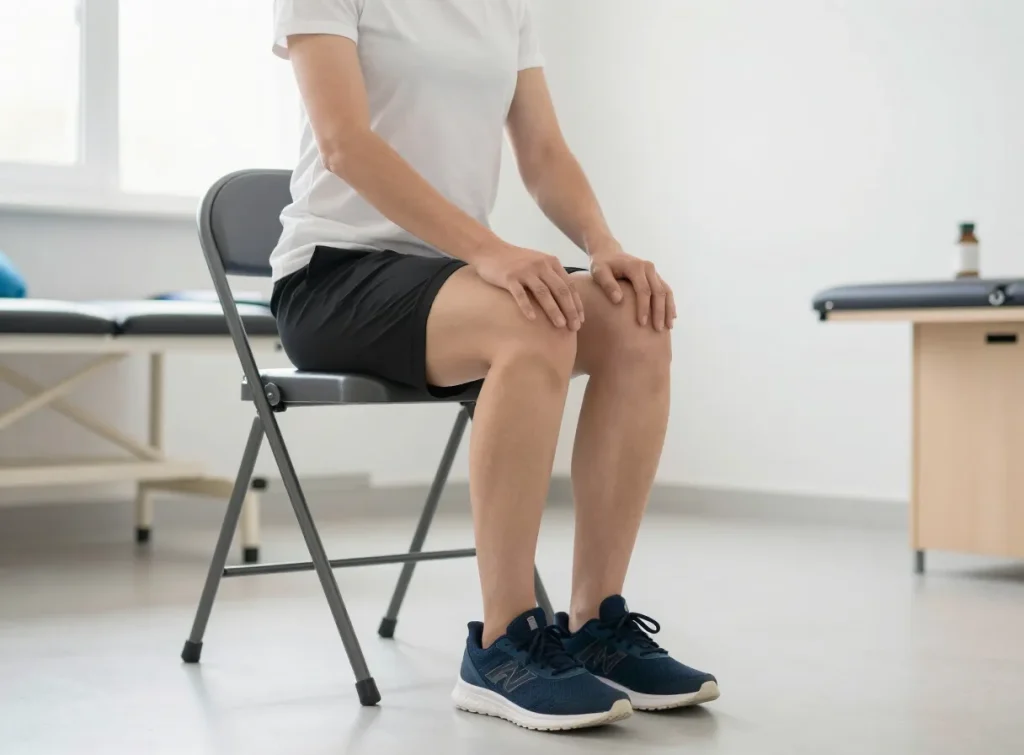
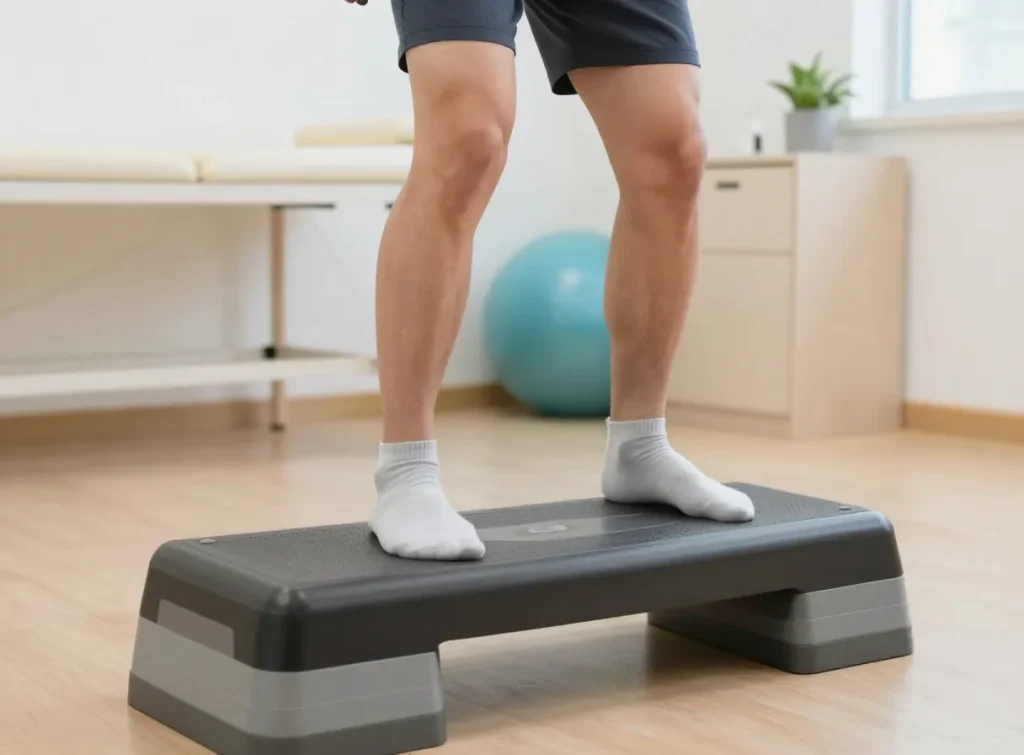
Knee-focused exercise, with hip-focused exercise when appropriate, forms a central part of recommended care. Your physiotherapist can select a manageable starting level and explain how to progress.
A programme might include variations of sit-to-stands, knee extensions, step exercises or hip strengthening. The movement, range, resistance and amount should suit your assessment findings. The purpose is to build capacity for the tasks you want to do.
3. Practising meaningful movements
Rehabilitation should connect exercises to daily life. If stairs are your main concern, progress can be assessed through stair use. If you want to return to sport, the plan can gradually include more demanding tasks relevant to that activity.
This gives treatment a clear direction and helps you see whether it is improving your function.
4. Considering additional support
Taping, prefabricated foot orthoses, manual therapy or movement and running retraining may be considered for selected patients. The best practice guide recommends tailoring these options to the person’s needs and preferences.
Ask what a proposed treatment is intended to achieve and how its benefit will be reviewed. These options support the rehabilitation plan rather than replacing exercise and education.
Should you exercise through pain?
Your programme should include clear guidance about symptoms during and after exercise. Ask your physiotherapist:
- What level of discomfort is acceptable for me?
- How should symptoms settle afterward?
- What should I change if an exercise makes daily activities harder?
- When should I arrange reassessment?
This is more useful than repeatedly guessing whether to stop completely or push harder. A symptom diary can help. Record the activity, how your knee felt and whether your usual tasks were more difficult afterward. Bring that information to your review.
How long does recovery take?
There is no fixed recovery timeline that applies to everyone. Patellofemoral pain can persist, so treatment should include follow-up and adjustments when progress is limited. Research highlights that some people experience symptoms over the long term.
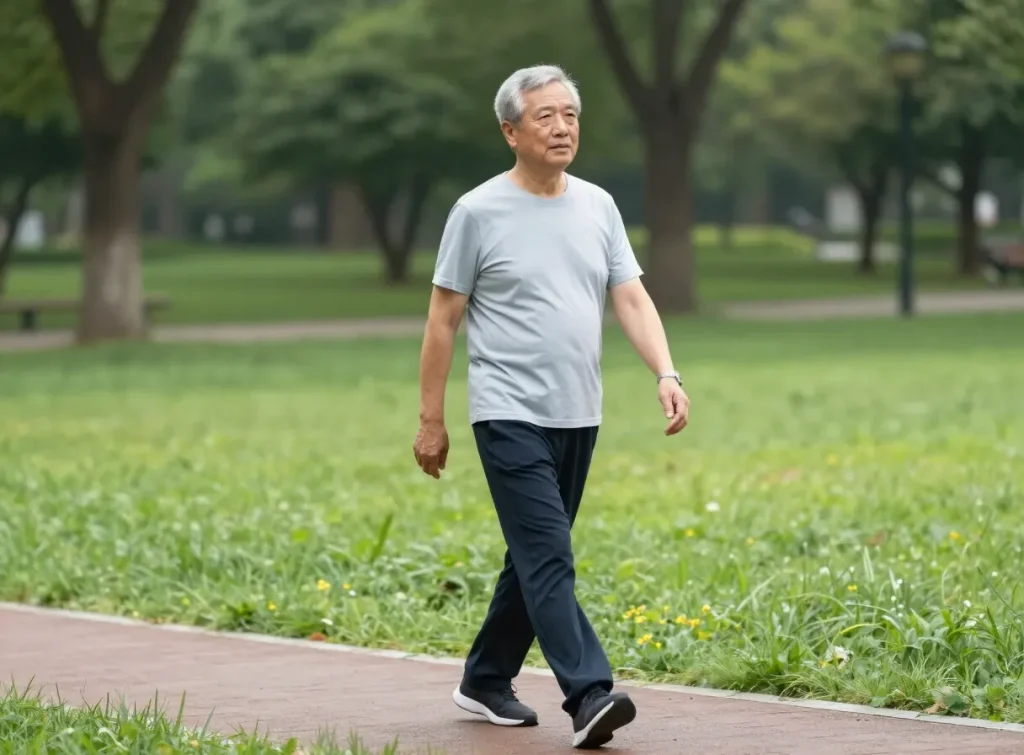
Useful progress measures include walking farther, tolerating stairs more comfortably or returning to exercise with fewer restrictions. Discuss realistic milestones with your physiotherapist.
When knee pain needs prompt medical attention
Seek urgent medical assessment if you cannot move the knee or bear weight, it becomes badly swollen or changes shape, or it is hot and red with fever or a feeling of being unwell. These symptoms need evaluation rather than being assumed to be runner’s knee.
Patellofemoral pain physiotherapy in Mississauga
If pain around your kneecap is affecting stairs, exercise or everyday movement, a physiotherapy assessment can help identify an appropriate next step.
At Village Physiotherapy & Rehabilitation Centre in Mississauga, your concerns guide the assessment: what aggravates your knee, which activities have become difficult and what you want to return to doing.
Contact Village Physiotherapy to book an assessment and discuss a rehabilitation plan suited to your needs.
Questions about your knee?
Call us or request an appointment online. We can help you take the right first step.
A note on this article
This article provides general education and is not a substitute for individual medical advice. Knee pain requires individual assessment, and exercise recommendations should reflect your symptoms, health history and examination findings. It does not diagnose any condition and makes no guarantee of pain relief or cure. Please contact the clinic to confirm which services and practitioner qualifications are currently available before booking.
Sources & further reading
- American Academy of Orthopaedic Surgeons — Patellofemoral Pain Syndrome
- Neal BS, Lack SD, Bartholomew C, Morrissey D. Best practice guide for patellofemoral pain. British Journal of Sports Medicine. 2024;58:1486-1495.
- NHS — Knee pain
- APTA ChoosePT — Physical Therapy Guide to Patellofemoral Pain
- Versus Arthritis — Knee pain