
Does your shoulder hurt when you reach overhead, put on a jacket or lift a grocery bag? Are you waking at night because you cannot find a comfortable sleeping position?
Shoulder pain can affect much more than exercise. Washing your hair, getting dressed, carrying your child and working at a desk may all become difficult. You might start avoiding movement because you are unsure whether using your arm will make the problem worse.
The right treatment begins with understanding your symptoms. Shoulder pain can arise from several conditions, and similar symptoms do not always have the same cause.
This article explains common shoulder problems, when to seek medical care and how physiotherapy can help you work toward more comfortable movement. It does not diagnose any condition or promise a cure.
Why is the shoulder vulnerable to pain?
The shoulder allows a wide range of movement, from reaching behind your back to lifting your arm overhead. That movement depends on several structures working together.
The rotator cuff is a group of muscles and tendons that helps move and support the shoulder. The joint capsule and ligaments contribute to stability, while fluid-filled sacs called bursae help tissues glide during movement.
Pain may involve one or more of these structures. Repetitive lifting, overhead activities and injuries can contribute to symptoms, although pain sometimes develops without a clear incident.
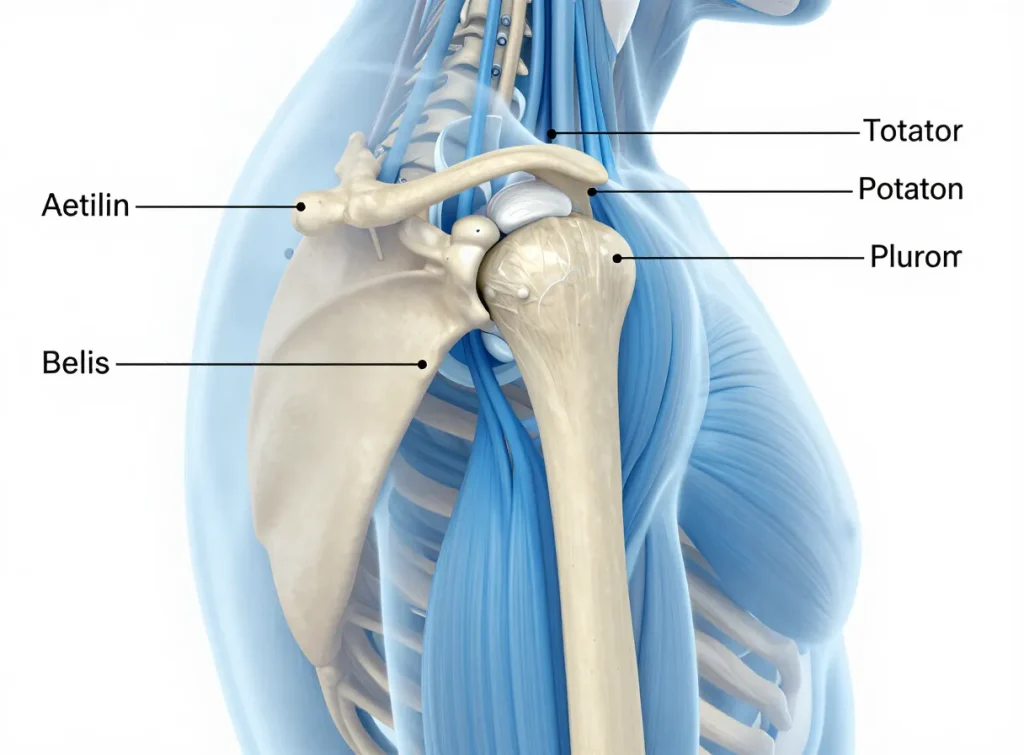
How shoulder pain can affect daily life
When seeking treatment, people often describe a specific difficulty rather than a diagnosis:
- “I cannot reach the top shelf.”
- “It hurts when I put my arm into a sleeve.”
- “I cannot sleep on that side.”
- “My shoulder feels weak when I lift.”
- “I have stopped going to the gym.”
- “My arm feels as though it might slip out of place.”
These concerns help guide assessment and treatment. Your physiotherapist needs to understand both the symptoms and what they prevent you from doing.

Common causes of shoulder pain
Rotator cuff-related shoulder pain
Rotator cuff problems are a frequent cause of shoulder symptoms. Pain may occur with reaching, lifting or repeated overhead activity.
Terms such as tendinopathy, tendinitis and subacromial pain may be used depending on the findings. Bursitis can also contribute to symptoms in this region.
An assessment helps determine which activities are sensitive and how treatment should be adapted. A label alone does not describe your strength, movement or rehabilitation needs.
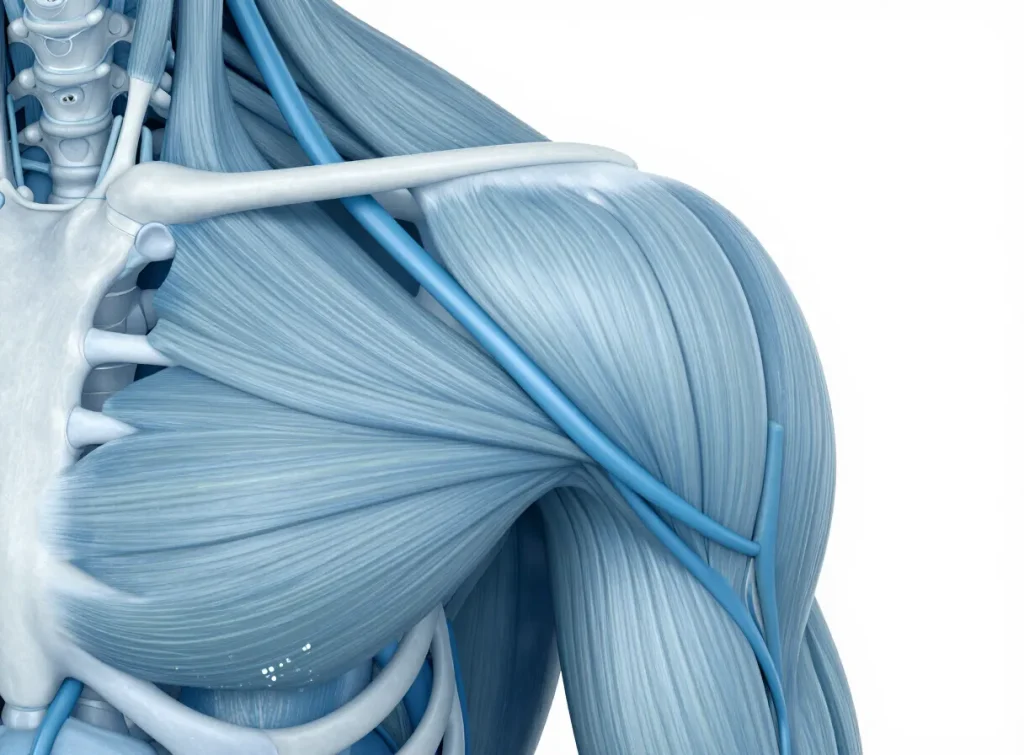
Rotator cuff tears
A rotator cuff tear may be associated with an injury or changes that develop over time. Symptoms can include pain and weakness, but treatment decisions depend on the individual.
A tear does not automatically mean immediate surgery. Your medical team considers your history, functional needs and examination findings when discussing treatment options. Sudden weakness following an injury deserves prompt assessment.
Frozen shoulder
Frozen shoulder, also called adhesive capsulitis, causes pain and substantial stiffness. Everyday tasks such as reaching behind your back or lifting your arm may become increasingly difficult.
Movement is restricted both when you move the arm yourself and when someone else gently moves it. This helps distinguish frozen shoulder from some other shoulder conditions.
Recovery can take a long time, sometimes several years. Physiotherapy commonly focuses on appropriate mobility exercises, with treatment adjusted to symptoms and the stage of the condition.

Shoulder arthritis
Arthritis can contribute to shoulder pain and reduced movement. Osteoarthritis is one possible cause; inflammatory arthritis can also affect the shoulder.
Treatment needs to reflect the type of arthritis and its effect on daily function. Some people benefit from rehabilitation and medical symptom management, while others may need specialist assessment.
Shoulder instability and dislocation
Instability may cause a feeling that the shoulder is slipping or may come out of place. A dislocation occurs when the upper arm bone comes out of its socket.
These problems require assessment, particularly after an injury. Rehabilitation and medical treatment depend on the circumstances and whether episodes recur.
Labral injuries
The labrum is tissue around the edge of the shoulder socket that contributes to stability. Some injuries involve this structure.
Symptoms overlap with other shoulder problems, so a painful click or discomfort during sport is not enough to identify a labral tear. Assessment may lead to rehabilitation, further investigations or specialist care.
Pain at the top of the shoulder
Pain where the collarbone meets the shoulder blade may involve the acromioclavicular, or AC, joint. This region can be affected by ligament injuries, including after a fall onto the shoulder.
A painful or visibly changed shoulder after trauma needs medical assessment rather than being assumed to be a simple strain.
What happens during a shoulder assessment?
Your physiotherapist will ask about the onset of symptoms, previous injuries, relevant health conditions and the activities that aggravate your pain.
Useful details include whether symptoms followed a fall, whether movement is becoming more restricted and whether you have numbness or tingling.
The examination may consider:
- How far and how comfortably you can move.
- Strength during selected movements.
- Tasks such as reaching, lifting or dressing.
- Whether findings suggest a need for medical investigation.
You should leave with an explanation of the findings and a clear next step. That may be a rehabilitation plan, a recommendation for medical assessment or both.

Do you need an X-ray, ultrasound or MRI?
Imaging can help answer specific clinical questions, but the appropriate investigation depends on the suspected condition.
For example, X-rays may help assess bone or joint changes, while ultrasound and MRI provide information about soft tissues. Frozen shoulder does not necessarily require MRI or ultrasound for diagnosis.
Ask what an investigation is intended to clarify and whether its result would change your treatment.
How physiotherapy can help with shoulder pain
Making daily activities more manageable
Treatment should connect to the tasks that matter to you.
If carrying groceries is difficult, your plan may explore load, carrying position and gradual strengthening. If reaching overhead is the main concern, rehabilitation can work toward that movement at a manageable starting level.
These adjustments should be individualized rather than treated as permanent restrictions.
Restoring movement
Mobility exercises may form part of treatment when movement is limited. The appropriate range and intensity depend on your symptoms and condition.
For example, rehabilitation for a very painful frozen shoulder may need a different approach from rehabilitation for a shoulder that moves well but hurts under heavier loads.
Rebuilding strength and capacity
A strengthening programme can be progressed toward your needs, whether that means household lifting, physical work or recreational sport.
Your physiotherapist can explain the purpose of each exercise, how much to do and what to change if symptoms increase. Progress should be assessed through function as well as pain.

Reviewing the plan
Rehabilitation should change when your response changes.
At follow-up appointments, discuss what has improved, which tasks remain difficult and whether the programme is practical. Limited progress may prompt adjustments or a conversation about additional medical care.
What can you do while waiting for assessment?
For shoulder pain without an urgent injury or concerning symptoms, gentle movement and temporary modification of aggravating activities may help.
Avoid completely stopping all shoulder use or starting a demanding exercise programme without guidance. A pharmacist can advise whether pain-relieving medication is suitable for you. Heat or cold may provide temporary comfort; protect the skin with a towel.
Record the activities that worsen symptoms and bring those examples to your appointment.
When shoulder pain needs urgent attention
Seek urgent medical assessment for sudden severe pain, inability to move the arm, a visibly changed or badly swollen shoulder, persistent loss of sensation, or shoulder pain with fever or feeling unwell. Significant symptoms following a fall or accident also require prompt evaluation.
Call 911 for possible heart attack symptoms
Call 911 if shoulder or arm discomfort occurs with possible heart attack symptoms, such as chest pressure, shortness of breath, cold sweating, nausea or light-headedness. Do not assume these symptoms are a shoulder injury.
How long does recovery take?
Recovery depends on the cause, symptom duration and your response to treatment. Some shoulder problems improve over weeks or months, while others require longer rehabilitation.
A useful plan includes realistic milestones: sleeping more comfortably, reaching farther or lifting with less difficulty. These provide a clearer picture of progress than a fixed recovery date.

Shoulder pain physiotherapy in Mississauga
If shoulder pain is affecting sleep, work or everyday movement, an assessment can help you understand your options.
At Village Physiotherapy & Rehabilitation Centre in Mississauga, your concerns guide the assessment: what hurts, which activities have become difficult and what you want to return to doing.
Contact Village Physiotherapy to book an assessment and discuss a rehabilitation plan suited to your needs.
Questions about your shoulder?
Call us or request an appointment online. We can help you take the right first step.
A note on this article
This article provides general education and is not a substitute for individual medical advice. Shoulder pain requires individual assessment, and treatment recommendations depend on your symptoms, health history and examination findings. It does not diagnose any condition and makes no guarantee of pain relief or cure. Please contact the clinic to confirm which services and practitioner qualifications are currently available before booking.
Sources & further reading
- AAOS OrthoInfo — Shoulder Impingement/Rotator Cuff Tendinitis
- NHS — Shoulder impingement
- AAOS OrthoInfo — Rotator Cuff Tears: Frequently Asked Questions
- AAOS — Plain Language Summary: Management of Rotator Cuff Injuries
- AAOS OrthoInfo — Frozen Shoulder
- AAOS OrthoInfo — Shoulder Pain and Common Shoulder Problems
- AAOS OrthoInfo — Arthritis of the Shoulder
- AAOS OrthoInfo — Chronic Shoulder Instability and Dislocation
- AAOS OrthoInfo — SLAP Tears in the Shoulder
- NHS — Shoulder pain
- American Heart Association — First Aid Guidelines: Chest Pain