
“Why does it still hurt?” “Am I making it worse by moving?” “My scan was normal, so why am I in pain?”
These are understandable questions when pain starts affecting your daily life. Whether you are dealing with an aching back, a stiff neck, a painful shoulder or symptoms that keep returning, uncertainty can make everyday activities feel difficult.
You may stop exercising, avoid lifting your child or worry about sitting through a workday. When pain continues despite rest or treatment, it can also leave you feeling frustrated and unheard.
Understanding pain can help you make more informed decisions about your recovery. This article explores common misconceptions about pain and explains how physiotherapy can support a practical, personalized approach to care.
What is pain?
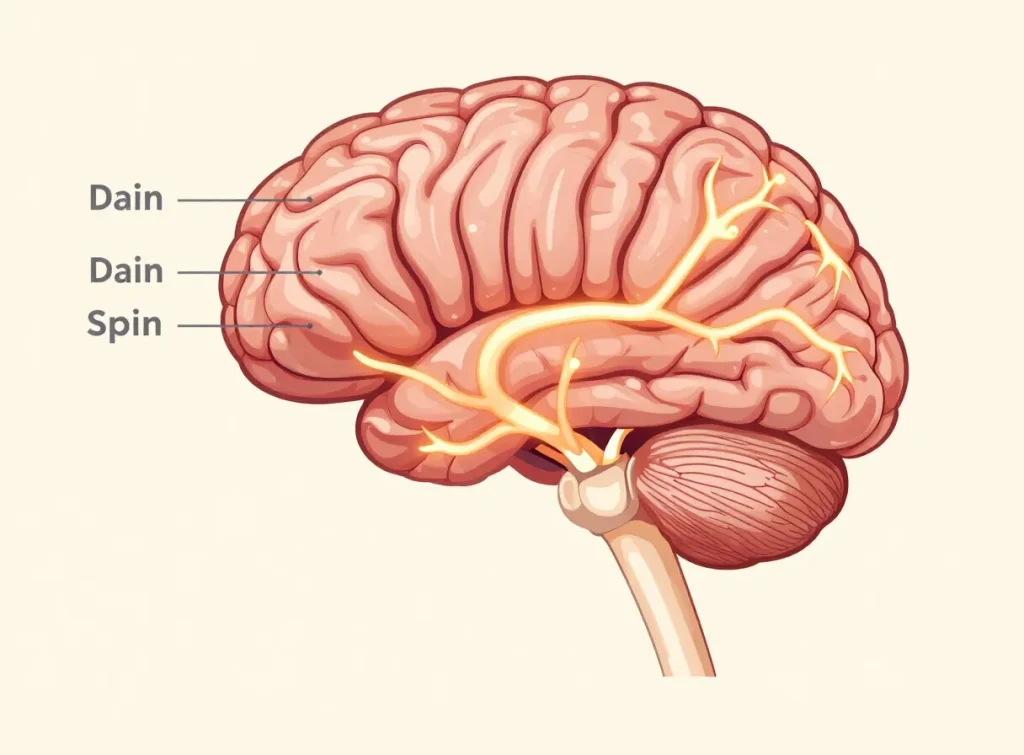
Pain is an unpleasant experience involving both physical sensations and emotions. It can occur with an injury or illness, but its intensity is also influenced by how the nervous system processes information.
The International Association for the Study of Pain recognizes that pain is personal and influenced by biological, psychological and social factors. Your symptoms deserve to be taken seriously, even when the explanation is not immediately clear.
For someone seeking treatment, the most useful questions often extend beyond “Where does it hurt?” They include:
- When did the symptoms begin?
- Which movements or activities are difficult?
- What has changed in your ability to work, sleep or exercise?
- What are you worried the pain might mean?
- What would you most like to get back to doing?
These questions help connect treatment to the concerns that brought you into the clinic.
Common misconceptions about pain
Some widely held beliefs about pain can unintentionally make recovery harder. Here are four that come up often in the clinic.
Misconception
More pain always means more damage
What to understand
Pain intensity does not provide a precise measurement of tissue damage. Severe symptoms do not automatically mean a severe injury, and milder symptoms do not automatically mean a problem is harmless. The relationship between pain and tissue health is more complex than a simple one-to-one connection.
That does not mean you should ignore pain. It means that the intensity of your symptoms needs to be considered alongside their onset, your medical history and a clinical examination.
How physiotherapy addresses this concern
A physiotherapy assessment can explore how you move, which activities reproduce your symptoms and whether there are changes in strength, sensation or function. Your physiotherapist can explain the findings, discuss appropriate activity levels and identify when medical assessment is needed.
For example, if bending makes your back uncomfortable, the next step is to understand the pattern and assess the movement. Treatment can then focus on making that activity more manageable and rebuilding your capacity over time.
The aim is to replace uncertainty with a clearer plan.
Misconception
If a scan is normal, the pain must be imaginary
What to understand
A scan can provide valuable information, but it does not capture every aspect of a person’s pain experience. An X-ray or MRI that does not explain your symptoms does not invalidate what you feel.
Pain involves the nervous system as well as information from the body. Imaging findings and pain severity do not always match.
Being told that a scan is reassuring can be helpful. Being left without an explanation or a treatment plan can still be distressing.
A normal scan does not invalidate your pain — imaging findings and pain severity do not always match.
How physiotherapy addresses this concern
Physiotherapy can assess the difficulties you experience in daily life, alongside any available imaging or medical information.
Your physiotherapist may ask you to demonstrate a task that bothers you, such as reaching overhead, getting out of a chair or walking up stairs. This helps identify a starting point for rehabilitation and gives you something meaningful to track.
Progress may include carrying groceries more comfortably, tolerating a longer walk or returning to a previously avoided activity. These changes matter even when a scan does not provide a complete explanation.
Misconception
If stress affects pain, it is ‘all in your head’
What to understand
Recognizing that emotions and circumstances can influence pain should never be used to dismiss someone’s symptoms.
Pain is a whole-person experience, with factors such as sleep, stress and social support contributing to how symptoms are experienced.
A useful assessment therefore makes room for both your physical symptoms and the effect they are having on your life.
Sleep, stress and social support all contribute to how pain is experienced — that does not make it imaginary.
How physiotherapy addresses this concern
Your physiotherapist may ask about your work demands, sleep, routines and concerns about movement. These questions can help make the rehabilitation plan more realistic.
For someone managing long shifts, childcare and poor sleep, a complicated exercise programme may be difficult to sustain. A smaller plan built around their day may be a better starting point.
Where appropriate, care may also involve other professionals. NICE guidance recommends considering pain-focused cognitive behavioural therapy or acceptance and commitment therapy for adults with chronic primary pain, delivered by appropriately trained practitioners. These approaches can complement physical rehabilitation.
Misconception
Persistent pain means nothing can help
What to understand
Pain that has lasted for months can feel discouraging, especially if you have already tried several treatments. However, the duration of your symptoms does not determine every aspect of your future.
Persistent pain may require a broader plan and ongoing adjustments. Improvement can involve changes in symptoms, daily function and quality of life. The response to treatment varies, and complete pain relief cannot be guaranteed.
For chronic primary pain, NICE recommends supervised exercise suited to a person’s abilities and preferences, along with continued physical activity for general health. Its evidence review found benefits for pain and quality of life compared with usual care.
Supervised exercise suited to your abilities is a recommended part of managing persistent pain.
How physiotherapy addresses this concern
A physiotherapist can help turn a broad goal, such as “I want to feel better,” into practical steps. Those steps might include:
Finding a manageable starting level for an important activity.Choosing exercises that fit your current ability.Adjusting the plan when symptoms or circumstances change.Tracking progress through tasks that matter to you.Coordinating with your healthcare team when additional support is needed.
For example, someone who wants to return to gardening may begin with a short session and modified tasks. Their plan can then be reviewed as their tolerance changes.
Rehabilitation should give you guidance on how to progress and what to do when an activity is more difficult than expected.
Returning to a meaningful activity — like gardening — can be a practical, trackable recovery goal.
When to seek urgent care
Some symptoms need prompt medical assessment rather than physiotherapy alone. Seek urgent care for sudden severe pain, pain after a serious fall or accident, weakness or numbness in the legs, loss of bladder or bowel control, or pain accompanied by chest tightness, shortness of breath, fever or unexplained weight loss. If you are unsure, contact a healthcare professional or visit an emergency department.
What happens during a physiotherapy assessment for pain?
Your first appointment is an opportunity to explain your symptoms and their impact without having to fit your experience into a single diagnosis or pain score.
Depending on your concern, an assessment may include:
A discussion of your history
How the pain began, how it has changed, previous treatment and relevant medical information.
An examination
Movement, strength, function and other checks appropriate to your symptoms.
A conversation about your priorities
The activities you want to resume and the concerns you want addressed.
A care plan
An explanation of the findings, suitable treatment options, home guidance and a plan for review.
If the findings suggest that another healthcare professional should assess you, your physiotherapist can recommend that next step.

Questions to ask your physiotherapist
Clear answers can make rehabilitation easier to follow. Consider asking:
- What did you find during my assessment?
- Which activities can I continue?
- How should I adjust an exercise if it aggravates my symptoms?
- What changes should prompt me to contact you or seek medical care?
- How will we measure whether the plan is helping?
You should understand the purpose of your treatment and how it relates to your goals.
Physiotherapy for pain in Mississauga
If pain is affecting your work, exercise or everyday activities, an assessment can help you understand the next steps.
At Village Physiotherapy & Rehabilitation Centre in Mississauga, the starting point is your concern: what hurts, what has become difficult and what you want to return to doing.
Contact Village Physiotherapy to book an assessment and discuss a care plan suited to your needs.
Questions about your pain?
Call us or request an appointment online. We can help you take the right first step.
A note on this article
This article provides general education and is not a substitute for individual medical advice. It does not diagnose any condition and makes no guarantee of pain relief. Individual symptoms require assessment, and treatment recommendations depend on your health history and examination findings. Please contact the clinic to confirm which services and practitioner qualifications are currently available before booking.